






Injection moulding is one of the most popular and widely used manufacturing processes, especially in industries that require high-volume production and intricate designs. It involves injecting molten material into a mould cavity under high pressure, where it cools and solidifies to form the desired shape. From automotive parts and consumer goods to medical devices and packaging, injection moulding plays a crucial role in the creation of many products we use daily.
However, there are other moulding methods, such as blow moulding, compression moulding, and rotational moulding, each with its own set of advantages and limitations. In this article, we will compare injection moulding with other moulding methods and explain why, for many applications, injection moulding is the best choice.
1. What is Injection Moulding?
Injection moulding is a high-precision manufacturing process used to produce parts in large quantities. The process begins by melting raw material, usually plastic, and injecting it into a mould cavity under high pressure. Once the material cools and solidifies, the part is ejected from the mould.
Key Advantages of Injection Moulding:
- High Precision and Accuracy: Injection moulding allows for the production of highly detailed and complex shapes with great consistency, ensuring that parts meet strict tolerances.
- Fast Production Cycles: The process is rapid, enabling high-volume production in a short time.
- Wide Material Selection: It can accommodate a wide variety of materials, including plastics, metals, and composites.
- Cost-Effectiveness for Large Volumes: After the initial setup costs, injection moulding becomes cost-effective for mass production due to the speed and automation involved.
2. Other Moulding Methods and Their Applications
Blow Moulding
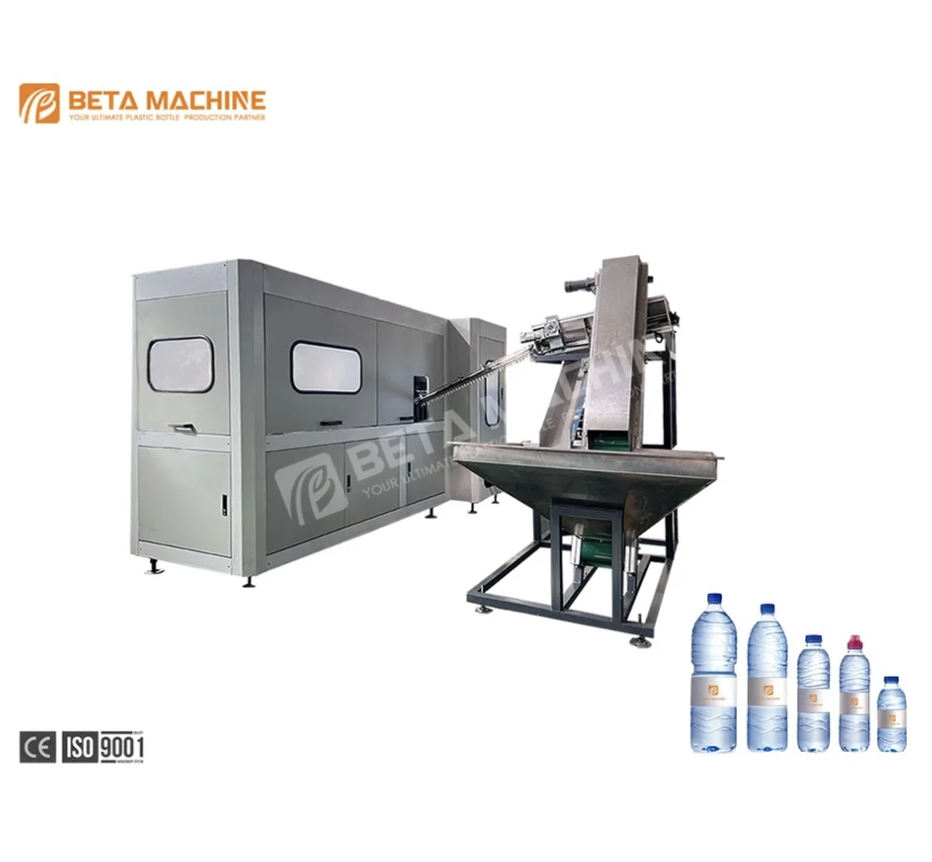
Blow moulding is a process used primarily for hollow plastic parts, such as bottles and containers. The process involves inflating a molten tube of plastic inside a mould to create hollow shapes.
- Advantages: Blow moulding is ideal for creating hollow objects with consistent wall thickness, such as bottles, tanks, and other containers.
- Disadvantages: It is limited to simpler shapes and cannot produce parts with intricate geometries like injection moulding. It also typically requires more material waste, as extra plastic is trimmed off after the blowing process.
- Best Applications: Blow moulding is best used for manufacturing bottles, containers, and other hollow objects, commonly in the beverage, pharmaceutical, and packaging industries.
Compression Moulding
Compression moulding is a process in which a material (usually rubber, thermosets, or composite materials) is placed into an open mould, and heat and pressure are applied to form the final shape. This method is ideal for producing parts that require a strong material structure.
- Advantages: Compression moulding is highly effective for producing large, thick parts with high strength, such as car parts, electrical insulators, and rubber products.
- Disadvantages: The process is slower compared to injection moulding, and the material flow is less controlled, which can result in lower precision and more waste.
- Best Applications: Compression moulding is ideal for rubber products, thermoset plastic components, and items that require strength and durability, such as automotive parts and electrical insulators.
Rotational Moulding
Rotational moulding involves heating a hollow mould filled with a powdered material and rotating it along two perpendicular axes. As the material melts, it coats the inside of the mould, creating a hollow part with uniform wall thickness.
- Advantages: Rotational moulding can produce large, hollow parts with complex shapes and uniform wall thickness. It is ideal for manufacturing items like tanks, kayaks, and large storage containers.
- Disadvantages: It is a slower process compared to injection moulding and has limitations when it comes to producing small or highly detailed parts.
- Best Applications: Rotational moulding is commonly used for creating large, hollow items such as tanks, large containers, and outdoor equipment.
3. Comparing Injection Moulding with Other Moulding Methods
Production Speed and Efficiency
When it comes to high-volume production, injection moulding stands out for its rapid cycle times. Once the mould is designed and the machine is set up, injection moulding can produce thousands of parts in a matter of hours, making it ideal for industries with large production requirements. Other moulding methods, such as compression moulding and rotational moulding, tend to have slower cycle times, meaning they are less efficient for high-volume production.
Material Versatility
While injection moulding primarily uses thermoplastics, it can also accommodate other materials, including thermosets, metals, and composite materials. Blow moulding and rotational moulding are generally limited to certain materials, such as plastics, and may not offer the same flexibility in material selection. Compression moulding, on the other hand, is better suited for rubber and thermoset plastics but is not as versatile in terms of the range of materials it can process.
Part Complexity and Precision
One of the biggest advantages of injection moulding over other methods is its ability to produce highly complex and detailed parts with high precision. The pressure-driven process allows for intricate designs, thin walls, and detailed geometries. Blow moulding is limited to simpler shapes and larger parts, while compression moulding often struggles with intricate details due to its less controlled material flow. Rotational moulding, although good for large parts, is also not ideal for highly detailed components.
Injection moulding also offers the benefit of greater control over wall thickness, part dimensions, and surface finish, making it the preferred choice for industries that require fine details, such as automotive, medical, and consumer electronics.
Material Waste and Sustainability
Injection moulding has relatively low material waste, especially when compared to blow moulding or rotational moulding, which often require trimming and excess material that must be discarded. Compression moulding can also create excess material that is not used, though this is typically less than in blow moulding.
In terms of sustainability, injection moulding’s precision ensures minimal material usage, and it can also use recycled materials, contributing to a greener manufacturing process. Some injection moulding machines are even designed with energy-saving technologies, reducing their carbon footprint.
4. Why Injection Moulding is the Best Choice for Many Applications
While each moulding method has its specific applications and benefits, injection moulding remains the best choice for many industries due to its unmatched precision, speed, versatility, and cost-effectiveness in high-volume production. Whether you’re manufacturing small consumer products, large automotive parts, or medical devices, injection moulding offers the consistency, flexibility, and quality that other methods simply cannot match.
Key Benefits of Injection Moulding:
- High-speed production: Ideal for mass production with minimal downtime.
- Precision and consistency: High accuracy for producing complex parts with tight tolerances.
- Material flexibility: Accommodates a wide range of materials, including plastics, composites, and metals.
- Cost-effective for high volumes: The initial setup may be costly, but the per-unit cost decreases significantly as production volume increases.
- Sustainability: Low material waste and energy-efficient options make it an environmentally friendly option in manufacturing.
Conclusion
In summary, while alternative moulding methods such as blow moulding, compression moulding, and rotational moulding each have their distinct advantages, injection moulding remains the best choice for most industries, particularly when it comes to high-volume, high-precision production. Its efficiency, material versatility, and ability to produce complex parts make it the go-to method for a wide variety of applications.
As technology continues to evolve, injection moulding machines become even more advanced, allowing manufacturers to reduce costs, improve sustainability, and expand the potential applications for the process. Whether you’re in the automotive, medical, packaging, or consumer goods industry, injection moulding provides the tools you need to manufacture high-quality, durable parts that meet the demands of today’s marketplace.
For businesses looking to invest in injection moulding equipment, BETA PLASTIC MACHINERY offers cutting-edge solutions that cater to modern manufacturing needs, with a focus on precision, reliability, and energy efficiency.